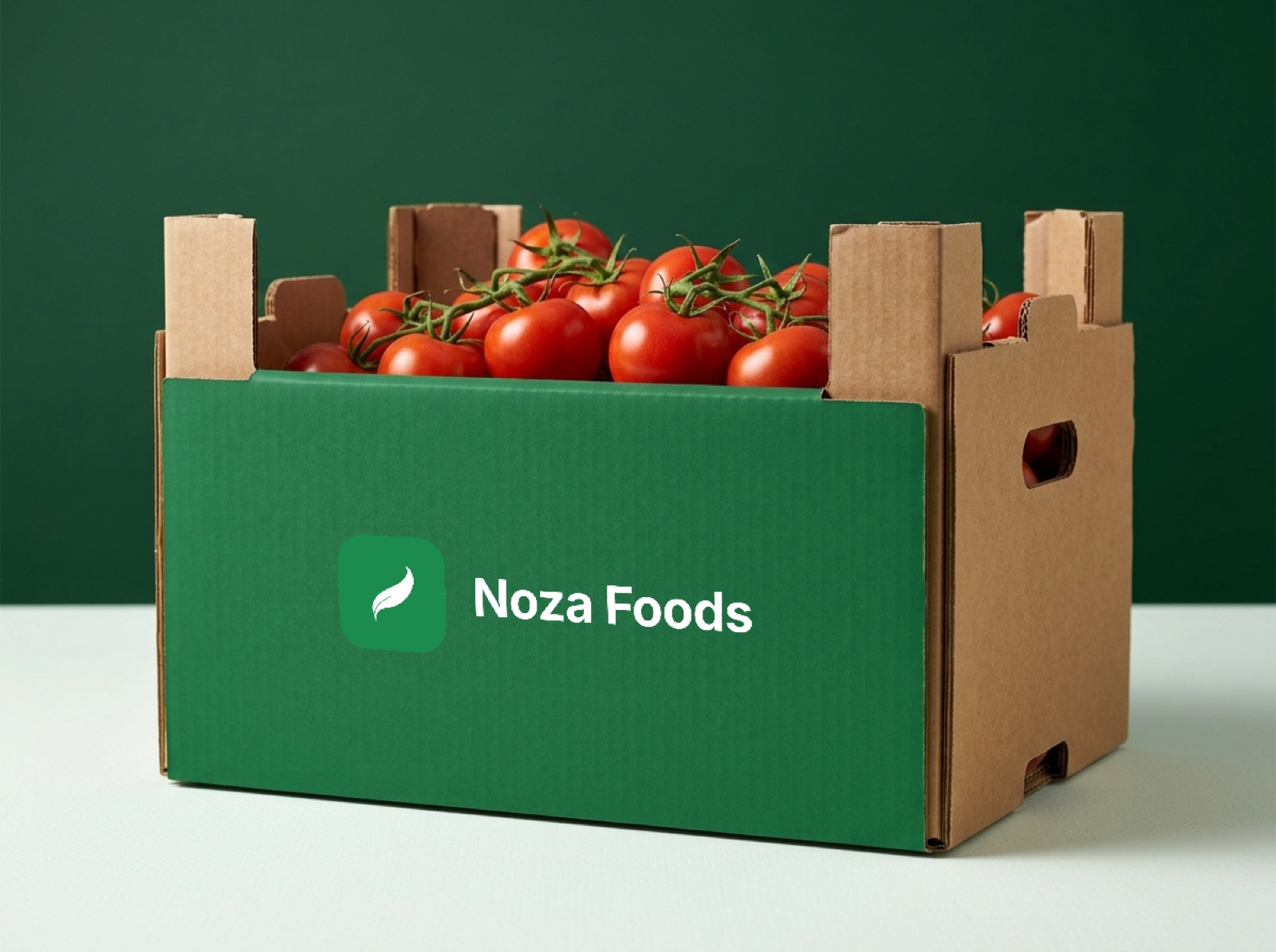
Vine tomatoes
Zone A · 8–12 °CChilled fast, but never below 8 °C, where chilling injury quietly ruins texture and flavour. Crated apart from sensitive neighbours, because ripening tomatoes give off ethylene.
From farm to shelf, we ensure fresh produce is supplied through an unbroken, standardised cold chain, and deliver traceable, premium-quality produce to every consumer. We aim to make a significant impact on global food security.
Our vision
Improving Rwanda's fresh food supply ecosystem through a sustainable, traceable cold chain that rewards farmers and raises the quality of food for every consumer.
Our mission
To build a technology-enabled food supply chain network that eliminates post-harvest waste, delivers premium-quality food and fosters agricultural innovation across Rwanda.
Traceability. Velocity. Quality.
The problem
Approximately 30 to 40% of all fresh produce in Rwanda is lost after harvest, driven by poor handling and an inefficient supply chain. A field study on tomatoes found 56% of the crop's value lost before it ever reached a retail shelf.
Harvest is sold fast, to whichever broker arrives, at whatever price. No committed buyer, no agreed price.
Hand-offs at ambient temperature. No cooling, no grading, no record of what moved.
A sequence of informal brokers. Each adds no proper handling, and delay, and unfair price.
The retailer carries the spoilage, so it under-stocks. A restaurant that gets a bad crate absorbs it alone.
Loss range: RAB / University of Rwanda / NAEB post-harvest assessment, 2017; FAO–MINAGRI Pre- & Post-Harvest Crop Losses Pilot Survey, 2021–22. Stage figures measured on tomatoes: UC Davis Horticulture Innovation Lab / Feed the Future, 2018.
The solution
A service-based retail platform that streamlines operations, eliminates supply risk and guarantees quality. From our Kigali cold hub, we keep complete ownership of the produce until the final retail sale, so spoilage is our problem, never yours.
Zero spoilage risk, traceable produce delivered on schedule, and no cash tied up in stock. You earn only on what sells.
A price agreed before harvest, a committed buyer under a signed supply agreement, and payment the same day.
Service-Based Retail
Three steps. We take ownership at the hub and keep it until the final sale.
Velocity, measured
Minimal handling, maximum velocity. Follow one crate from a field at first light to a Kigali shelf before opening time. The cold line below draws itself as you travel it.
Partner cooperatives pick tomatoes and peppers in the coolest hours of the day, at a price agreed before harvest.
Crates arrive at our Kigali hub. Field heat comes out and every batch gets its identity: tomatoes and peppers chilled to their zone, onions routed to the dry store.
Quality control at the gate, A / B / C grading, then packing, each pack labelled with a QR code that resolves to its record.
Delivered before 8am to supermarkets, restaurants and hotels across Kigali. Cold from field to display.
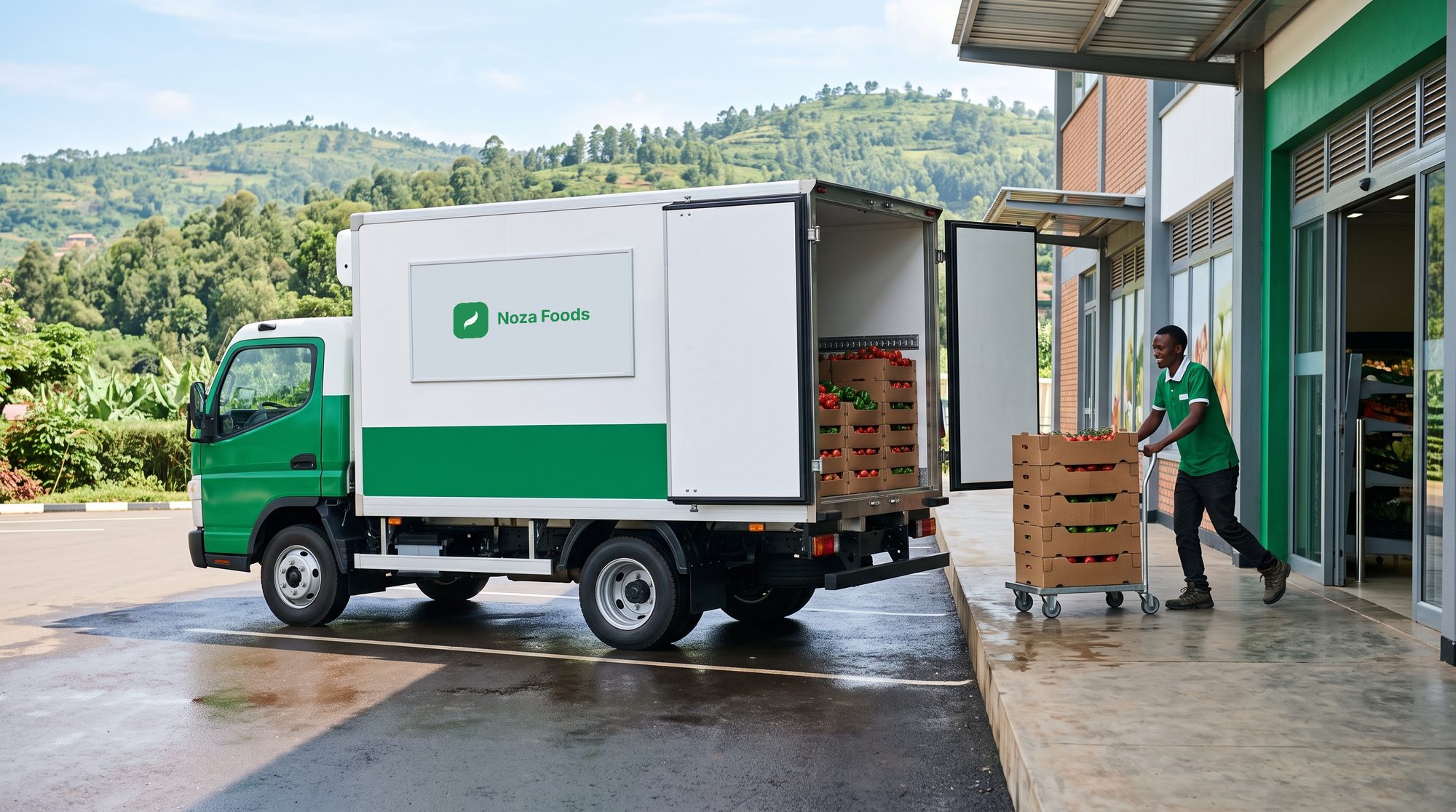
Temperature and sales data keep flowing, so replenishment matches what your customers actually buy, and the chain that carried this morning's crate is on record for the next one.
The pilot range
We launch with a deliberately small range and handle each product exactly the way it needs, because freshness is a per-crop science, not a single cold room.
Chilled fast, but never below 8 °C, where chilling injury quietly ruins texture and flavour. Crated apart from sensitive neighbours, because ripening tomatoes give off ethylene.
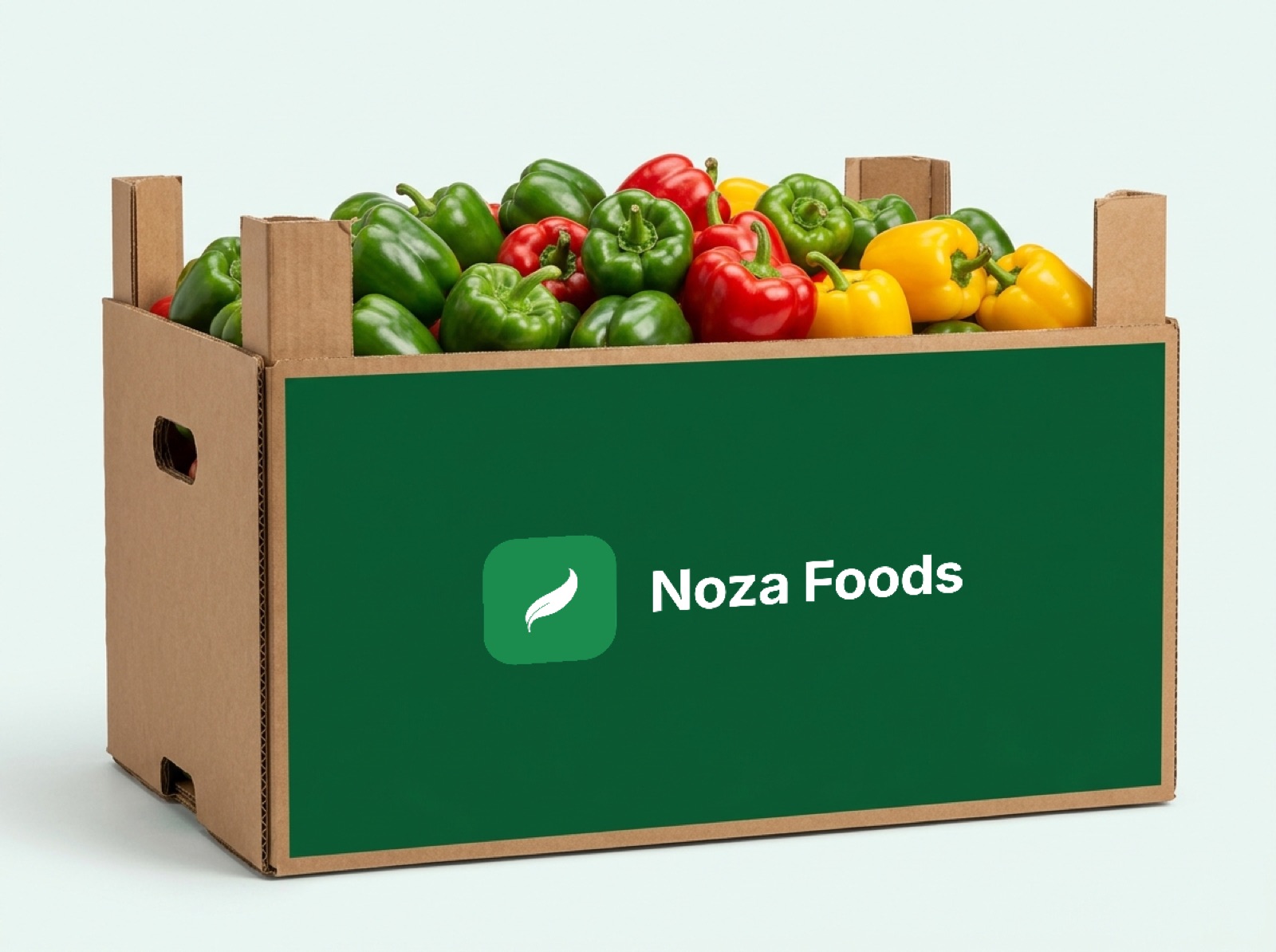
Green, red and yellow: chilling-sensitive and ethylene-sensitive, so they hold their snap only when the air they share is managed. Ours is.
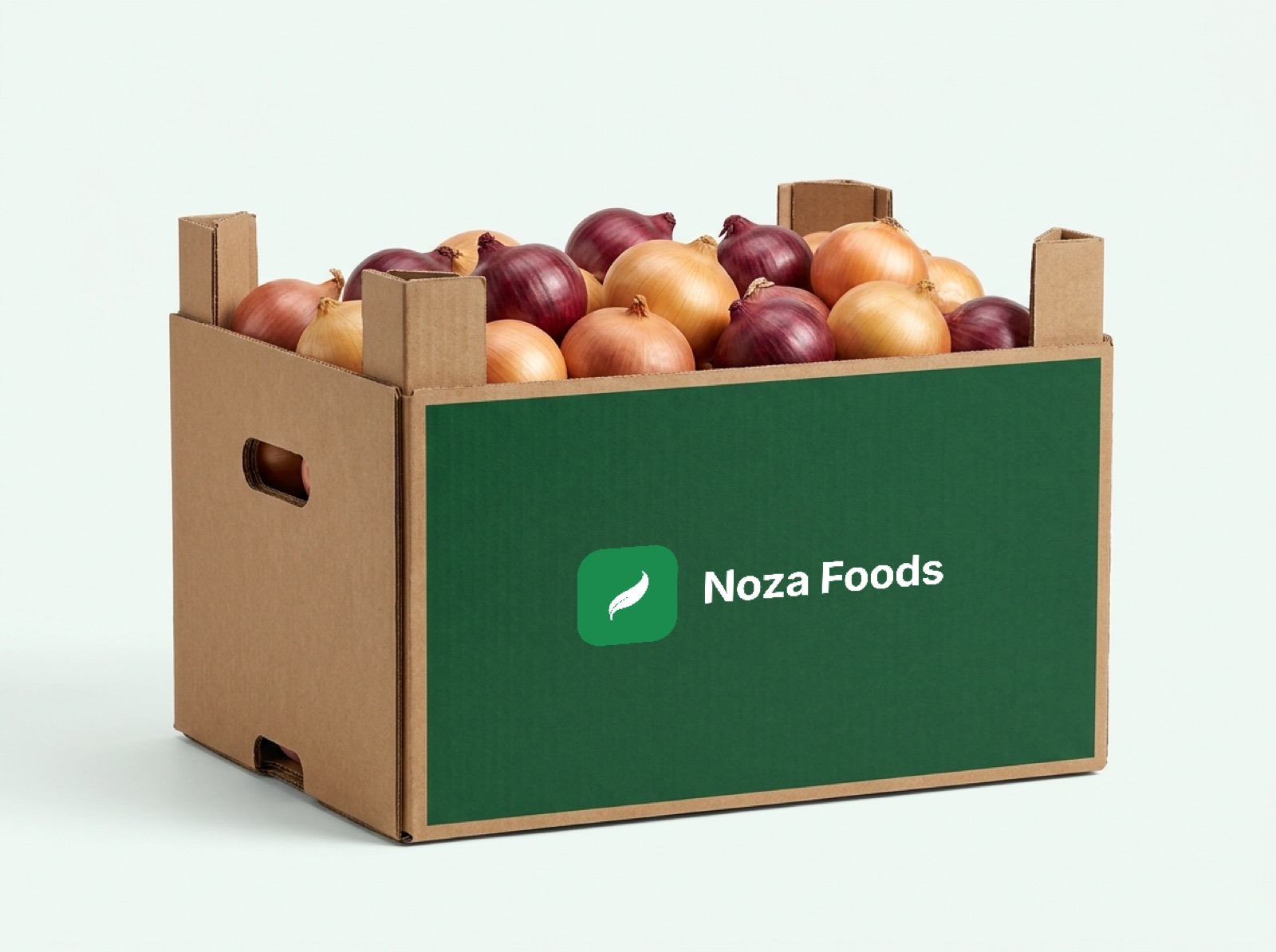
A cold room would ruin them. Onions keep best dry, dark and ventilated. Our hub runs a dedicated dry store alongside the cold zones, so every crop gets its own climate.
The range grows as the chain proves itself. Every new product earns its own storage discipline before it ships.
The platform
Built in-house. Batch traceability, quality-control gating and an append-only audit trail are architectural constraints, not a compliance project for later. An inspection export for any date range, within a day.
Every crate gets a batch identity at intake. Harvest morning, cooperative, temperature, grade and every movement travel with it to the shelf.
No batch reaches stock without a food-safety check. A failed check is quarantined by the system, not by memory, not by a note on a whiteboard.
Every check, temperature and hand-off is written once and never edited: records built for food-safety inspection from day one.
Graded honestly
Every batch is graded at the hub so each buyer gets exactly the quality they're paying for, and nothing sound is wasted along the way.
Flawless, uniform produce for supermarket displays: the pack a customer picks up, turns over, and trusts.
The same freshness and safety with cosmetic variation: the quality your kitchen needs at the cost your margins require.
Safe, sound produce below display standard is diverted to processing. it never reaches a retail shelf, and it never becomes waste.
Grading is a quality tier. Safety is absolute. Any batch that fails a food-safety check is quarantined and removed from the chain, whatever its grade. Every check, temperature and movement is logged in records built for food-safety inspection from day one.
Packaged
Everything we promise about a batch travels with it, on the banded pack a customer picks up. Packs load 15–20 to a display crate, straight from our cold van onto your shelf, labels out.
Every pack's code resolves to its batch passport: harvest morning, harvest location, grade, and the cold-chain record end to end.
Recyclable corrugated kraft trays with ventilation slots and paper band labels, with film only where food safety and shelf life genuinely demand it.
The grade a batch earned at inspection is the grade printed on its band, so every buyer gets exactly the quality they're paying for.
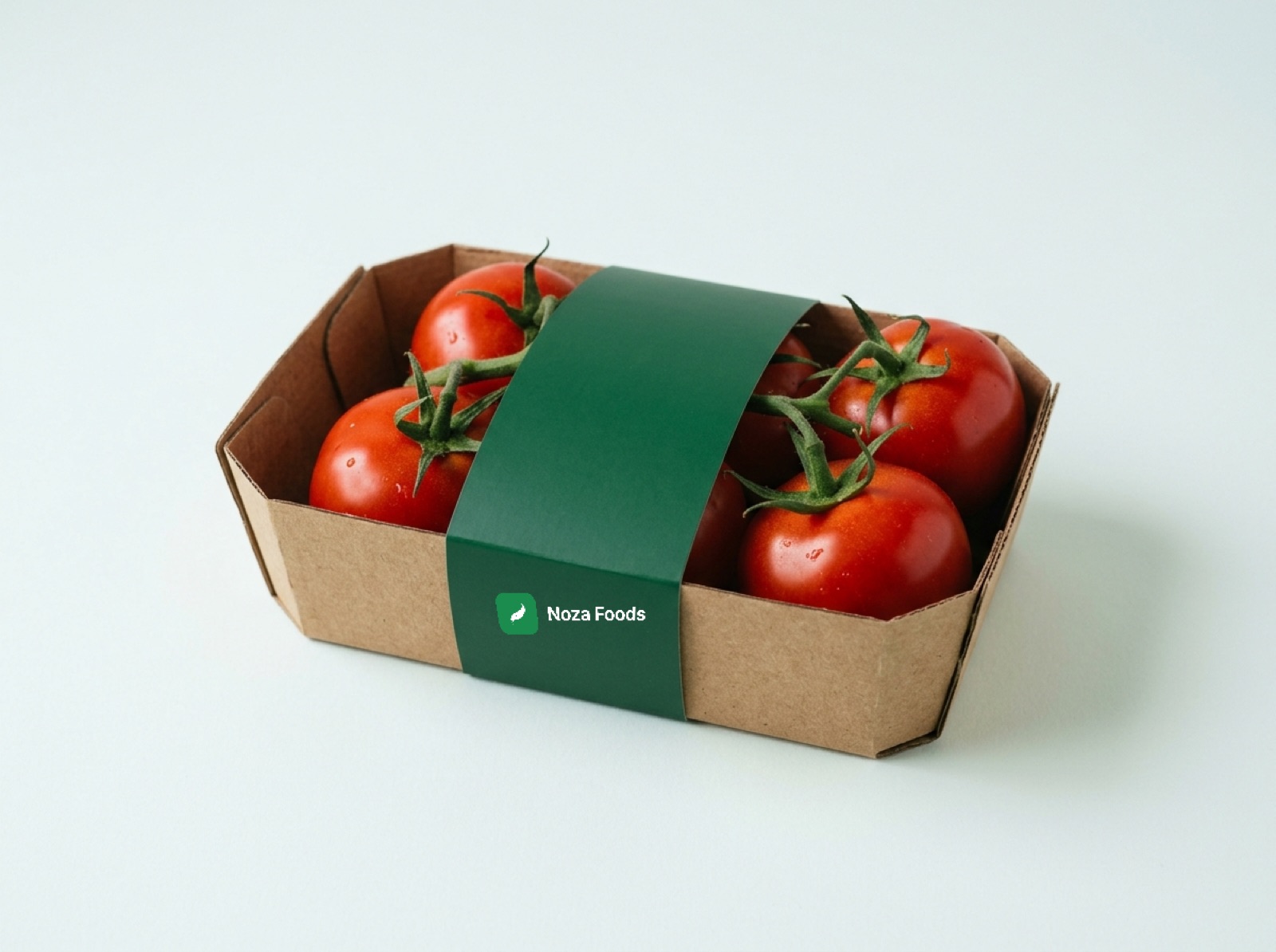
The retail pack: 15–20 to a display crate, every label resolves to its batch passport
Shelf management, included
The produce on your display is still ours until a customer buys it, so keeping that display full, faced and fresh is our job, on every visit. That's the service in Service-Based Retail.
Why now
Consumers pay premium prices for produce that arrives bruised, never cooled and untraceable. International grocery chains are opening in Rwanda and need a supplier that can guarantee grade and cold chain. Rentable cold-chain capacity now exists in Kigali, so an asset-light entry is possible for the first time.
376,200 tonnes, 15% of agricultural GDP.
Poorly organised domestic markets with no cold chain, no grading and no record: the gap we are built to close.
17,078 to 21,232 rooms: kitchens that buy fresh produce daily and pay for reliability.
Sources: CASA, Rwanda Vegetables Inclusive Growth Strategy, 2023 (citing NISR Seasonal Agricultural Survey 2022); NISR Statistical Year Book 2024.
Why Noza Foods
Noza Foods does all three.
High volume, low quality, cash only. Produce changes hands at ambient temperature with no grading and no record, and the spoilage risk lands on the retailer.
Unreliable and seasonal, with a high transport cost per kilo and no cold chain. A restaurant cannot plan its morning around it.
They move goods from A to B. They neither own the inventory nor grade or cool it, so the risk stays with whoever booked the truck.
Who we work with
 Supermarkets
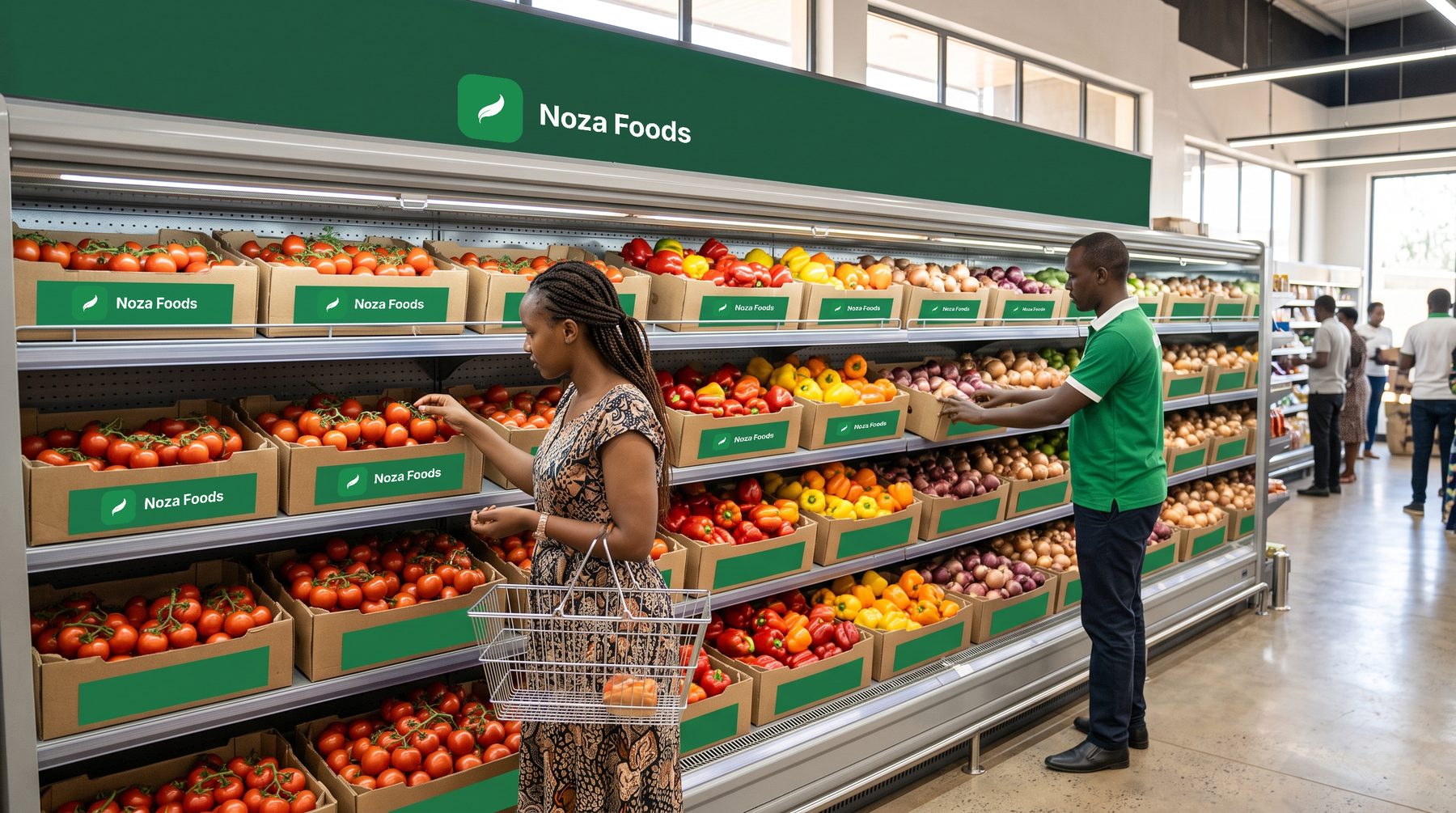
Zero spoilage risk. Graded produce on the shelf before 8am.
Supermarkets
Zero spoilage risk. Graded produce on the shelf before 8am.
Our produce sits on your shelf while it remains ours. You earn on every sale and never carry the cost of spoilage, and every pack's QR code tells your customers when and where it was harvested.
Become a retail partner →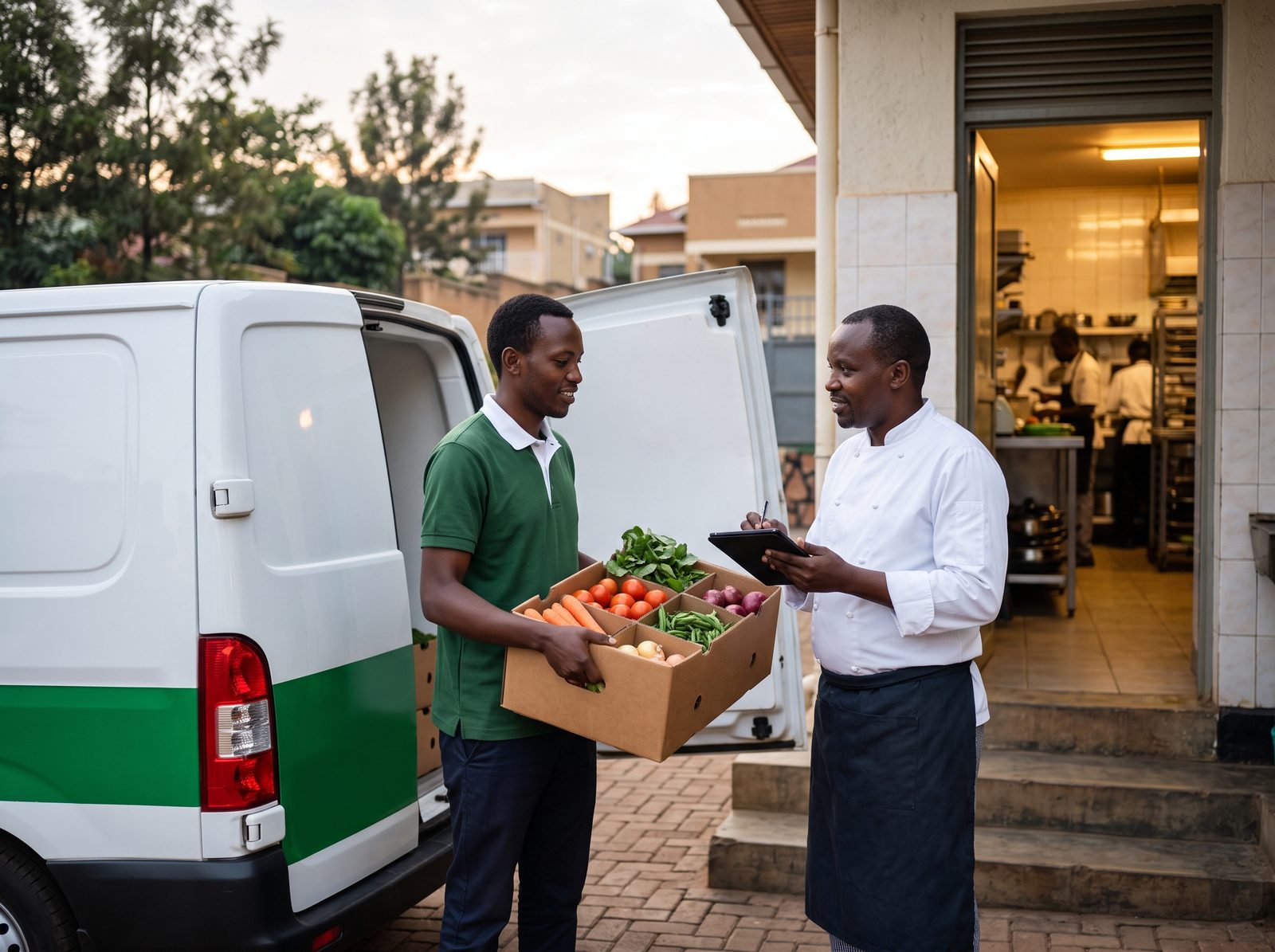 Restaurants & hotels
Delivered before 8am. Paid on delivery.
Restaurants & hotels
Delivered before 8am. Paid on delivery.
Stop sending staff to the market. Graded produce arrives at your kitchen door with transparent wholesale pricing: reliability a kitchen can plan its morning around.
Order for your kitchen →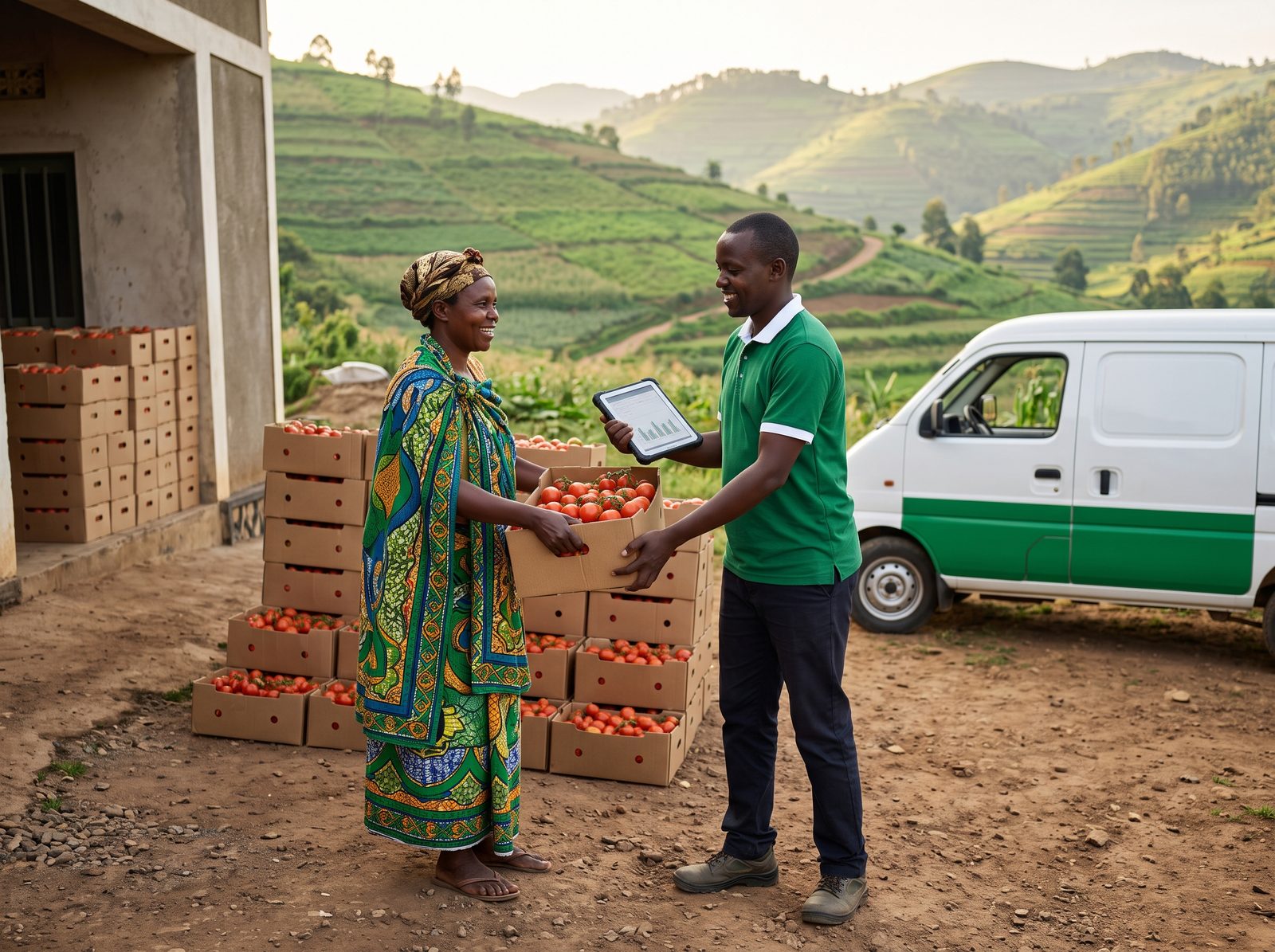 Farmers & cooperatives
A price agreed before harvest. Paid the same day.
Farmers & cooperatives
A price agreed before harvest. Paid the same day.
A committed buyer under a signed supply agreement, transparent grading you can verify, and a supplier scorecard that grows your volumes as you grow your quality.
Supply to Noza Foods →Path to pilot
We run the months to March 2027 as a sequence of proofs (supply, demand, cold chain, team), each one a condition of the pilot gate.
Registered in Rwanda with the Rwanda Development Board; company tax number issued.
Cooperative visits, buyer interviews, sample deliveries and letters of intent with Kigali retailers and kitchens.
Rented cold storage in Kigali, pay-per-use: the asset-light model, in writing.
Quality lead, warehouse manager and packers on board; transport contracted, not owned.
A 60–90 day pilot in Kigali that measures what the model assumes: real loss, real margin, real on-time delivery.
Where we stand today
Noza Foods is pre-pilot by design. The demand-side proof is scheduled for the next three months, and the pilot data is what earns the next stage.
Partner with us
Whether you run a supermarket, a kitchen or a cooperative, if fresh produce matters to your business, we should talk before the pilot fills.
Kigali · Rwanda